
Helsinki, 5 November 2026
Sometimes, an unexpected encounter reminds us why it is important to remain open to people, ideas, and opportunities. Today was one of those occasions.



As a co-founder of DEMERA and the Ethio-Nordic Tech Professionals Association (ENTPA), I have always believed that one of the most meaningful contributions we can make is to encourage and support talented young Ethiopians. Our country has extraordinary human potential, and I believe that connecting this talent with the right opportunities can create a lasting impact.
A few days ago, I received an email from a young Ethiopian entrepreneur named Natnael Getenew Zeleke. He was planning to travel to Finland to participate in the Science AI Hackathon 2026 in Turku. At first, I did not give the email the attention it deserved. But something made me return to it. I read it again, looked more closely at his background, and became increasingly curious about the person behind the message. What I discovered was quite remarkable.
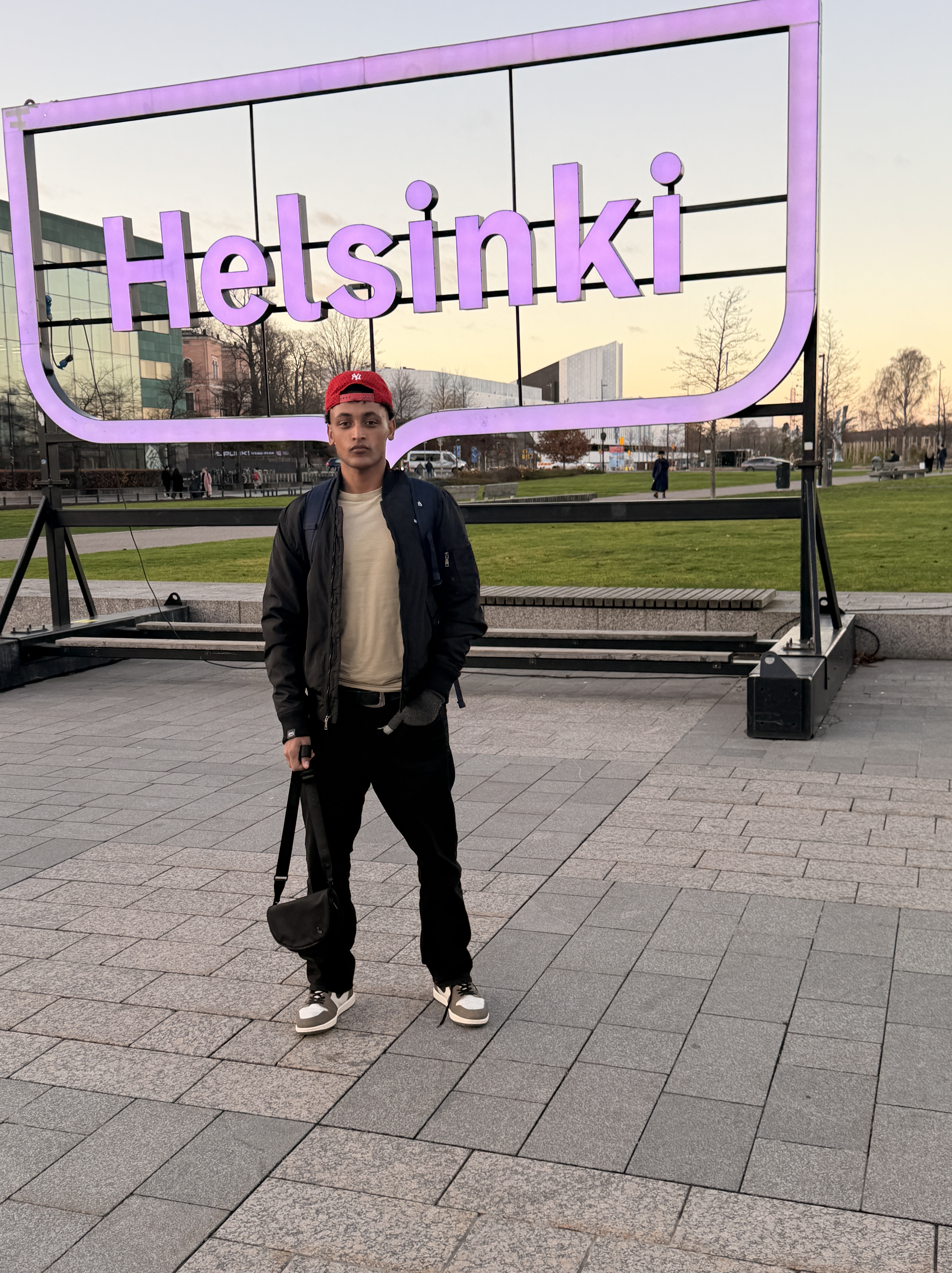
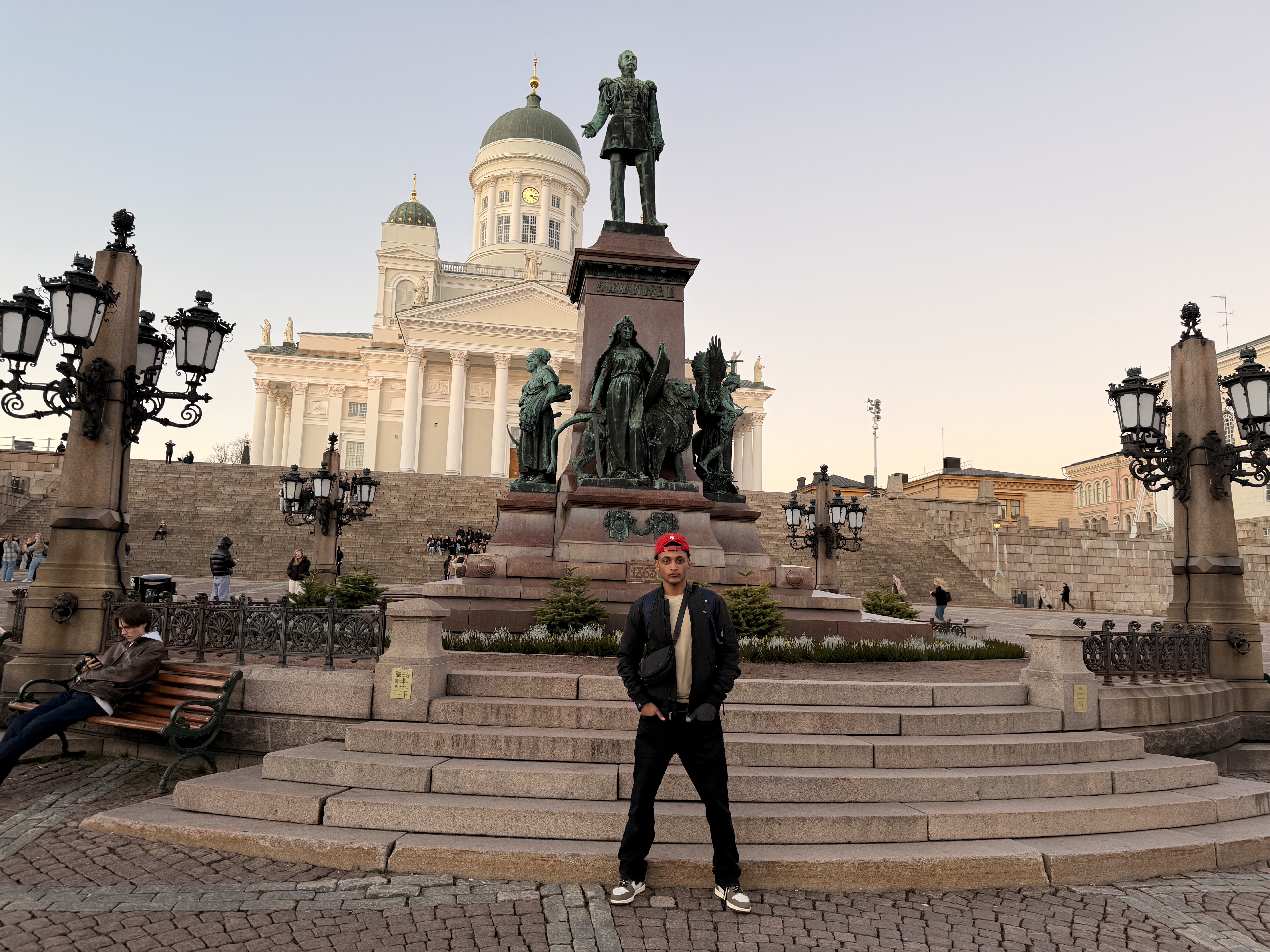
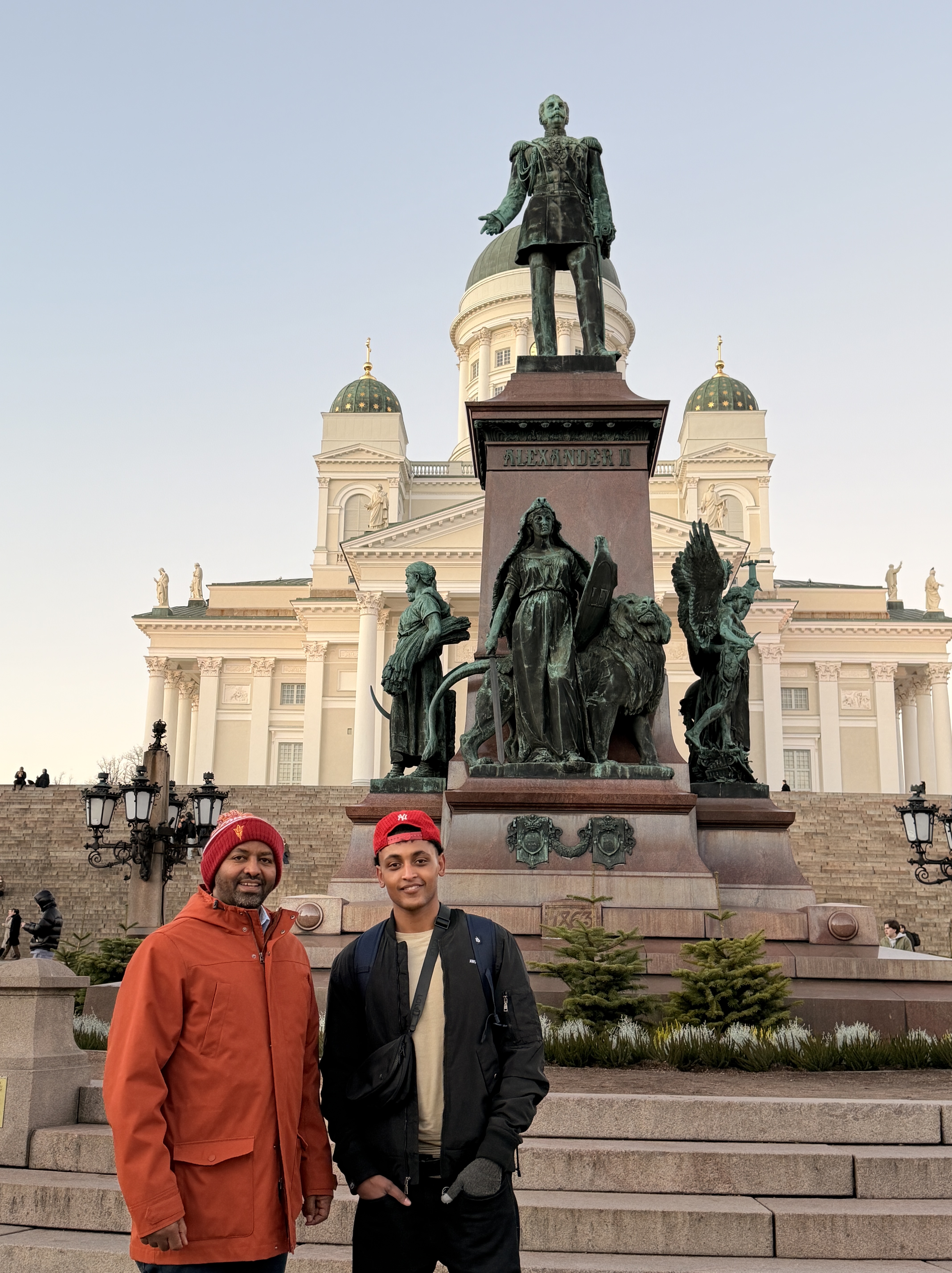
Today, I had the pleasure of welcoming Natnael to Helsinki, showing him a little of the city, and sitting down with him to learn more about his journey. At just 25 years old, Natnael has already accumulated experiences that many entrepreneurs spend years trying to achieve. Yet what struck me most was his curiosity, confidence, independence, and genuine enthusiasm for creating something useful.
A journey that began at 17
Natnael’s entrepreneurial journey began when he was only 17 years old. While many young people his age were still exploring their interests, he was already developing Yeneta Solutions, a learning platform that allowed users to ask questions and receive answers. This was before the widespread emergence of conversational AI platforms such as ChatGPT.
He told me how the platform gained more than 2,000 users at his school, with teachers and students supporting its adoption. From there, it began spreading to other schools through personal recommendations.
I found this particularly interesting. His first experience of entrepreneurship did not begin with a major investor, a sophisticated marketing strategy, or a large organization. It began with identifying a need, building a solution, and allowing people to discover its value. Since then, Natnael has worked on more than 50 technology projects and several startup ventures.
He spoke openly about the fact that many of them failed. I appreciated this openness because it revealed something important about his character: he sees experimentation, setbacks, and continuous learning as natural parts of entrepreneurship.
Making artificial intelligence accessible to everyone
One of the most fascinating parts of our conversation was his work on Ivy, an AI-powered educational tutor designed to function without a continuous internet connection. Natnael explained how AI models can be optimized and compressed to operate directly on affordable smartphones, including devices with limited memory. His idea is simple in purpose but technically challenging: students should not be excluded from the benefits of artificial intelligence simply because they cannot afford expensive devices or reliable internet access.
Ivy is also designed to make learning more interactive and personal. It can present quizzes and flashcards within a conversation and encourage students to return to their studies. This innovation has earned him international recognition, including an AWS Global Innovation Award.
But what impressed me even more was his vision beyond education. He explained how similar offline AI technology could help farmers identify crop diseases or support medical students in communities where connectivity is unreliable. For Natnael, artificial intelligence is not merely a technological trend. It is an opportunity to address real problems.
An entrepreneurial spirit that refuses to stand still
We also discussed his other projects, including Anima, an AI-powered tool for visualizing biological and medical concepts. According to Natnael, the project attracted more than half a million views and thousands of installations shortly after its launch.
He is also developing Archument, a project intended to address technical challenges associated with building and scaling AI applications.
What I found fascinating was how naturally he moved between different ideas, from education to medicine, software architecture, and agriculture. When I asked him about his preference for entrepreneurship over conventional employment, his answer centered on freedom: the freedom to explore ideas, make decisions, and dedicate himself fully to something he believes in. I could sense that entrepreneurship, for him, is not simply a career choice. It is a way of thinking and living.
Why this encounter matters to me
Meeting Natnael reminded me of something I have believed for a long time: Ethiopia has an enormous pool of young talent, much of which remains insufficiently recognized and supported. We often discuss the challenges facing our country, but we should also devote attention to the people who are actively developing solutions. Young innovators need more than recognition. They need encouragement, access to networks, mentorship, practical opportunities, and people willing to believe in their potential.
This is one of the motivations behind my involvement in DEMERA and ENTPA.
I do not believe that supporting talent always requires grand initiatives. Sometimes it begins with answering an email, making time for a conversation, introducing someone to the right people, or simply showing that their efforts matter.
Today was a meaningful reminder of that.
Looking ahead to Turku
Natnael is now preparing to participate in the Since AI Hackathon 2026 in Turku, taking place from 6 to 8 November. I am delighted to have welcomed him to Helsinki, and I look forward to joining him during the weekend as the competition progresses and the challenges become more demanding. Of course, I wish him another victory. But regardless of the competition’s outcome, I believe his journey is already a remarkable achievement.
Natnael, thank you for sharing your story, your ideas, and your ambitions with me. I admire your talent, your determination, and, above all, your willingness to pursue difficult problems with confidence and curiosity.
I believe we will hear much more about you in the years ahead.
Welcome to Finland, and I wish you every success in Turku and beyond.

