
It had long been one of my dreams to visit Lalibela and witness how humankind was able to create such an extraordinary masterpiece, carving monumental churches directly from solid rock mountains.
Although Lalibela is recognized as one of the world’s most remarkable heritage sites and is listed by UNESCO, its true significance goes far beyond global recognition. The place offers a deeply authentic and spiritual experience, especially during the celebration of the birth of Jesus Christ, when priests and deacons worship with devotion, chants, and ancient traditions. Lalibela is the sacred place where Ethiopians commemorate the birth of Jesus Christ, and where we believe a fragment of the Holy Cross, on which Jesus Christ was crucified, is preserved as a symbol of salvation and faith.
The two-day trip challenged and inspired me in two profound ways. First, it tested my understanding of human creativity and capability, showing what humankind can achieve through dedication, skill, and belief. Second, it revealed the depth of spiritual strength required to surrender fully to Almighty God, whom we cannot see with our eyes, yet deeply feel through faith, power, and spiritual connection.
Lalibela is home to eleven medieval monolithic cave churches, built during the 13th century. Unfortunately, I did not have the opportunity to visit all of them.


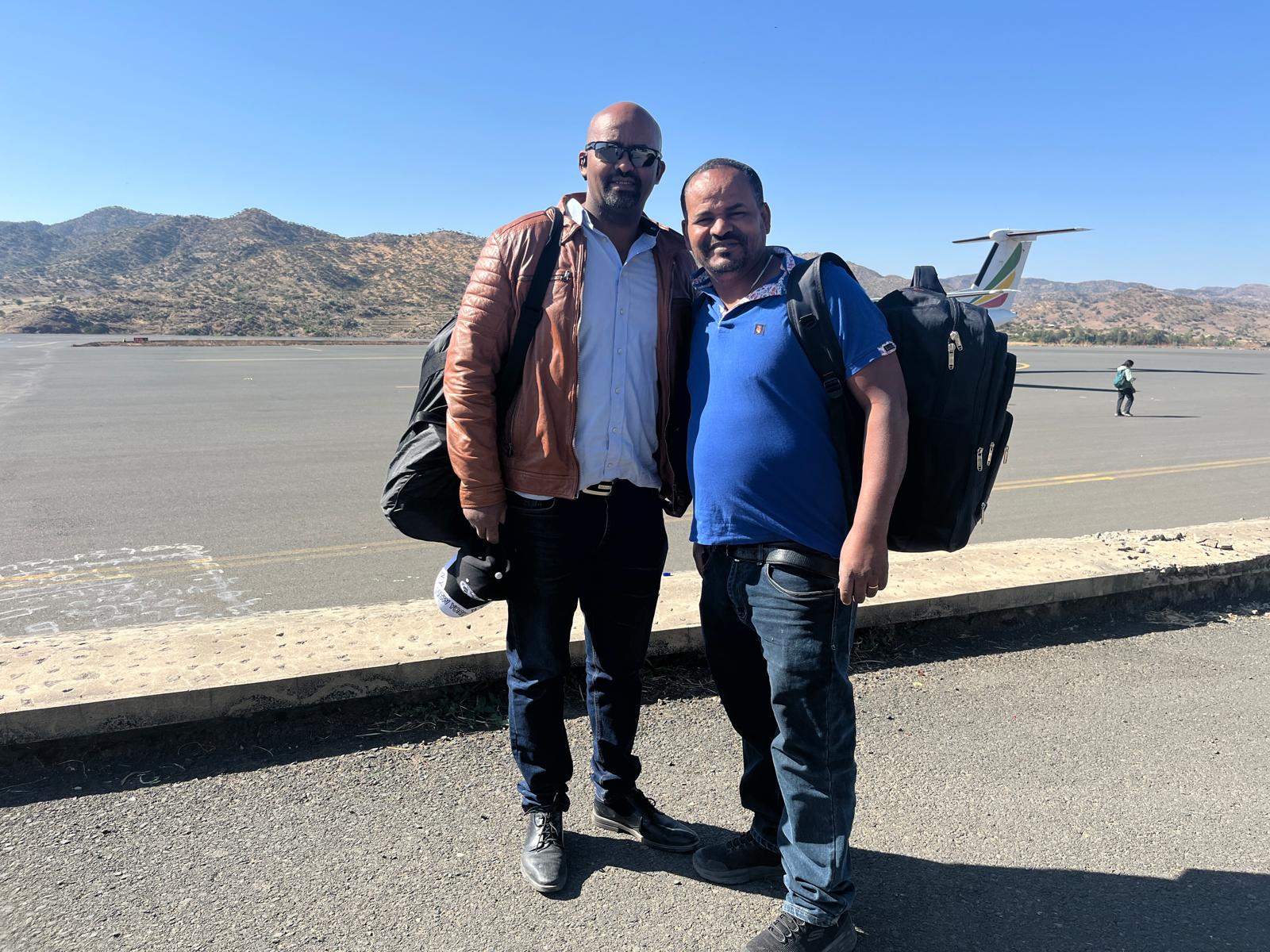
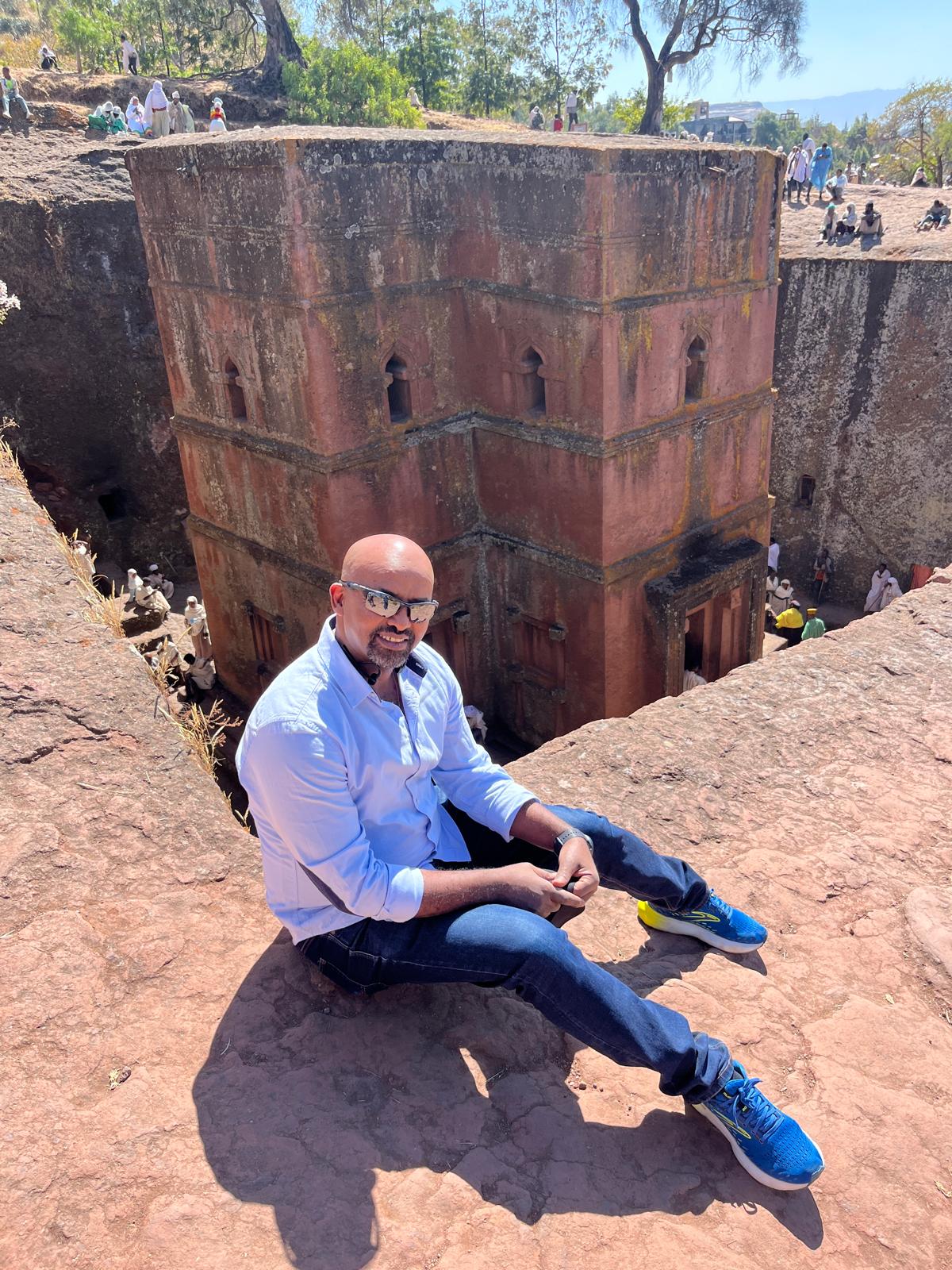

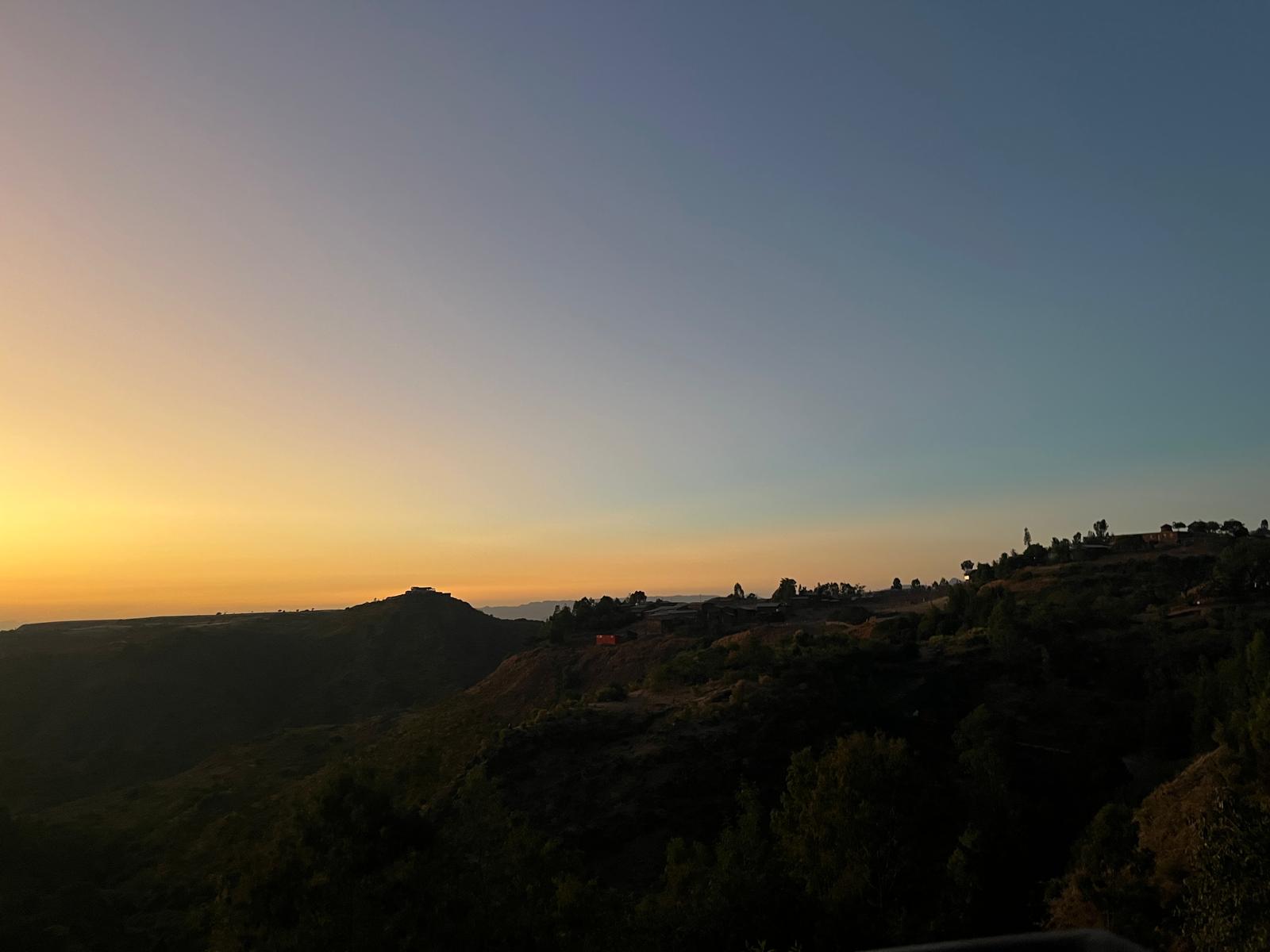
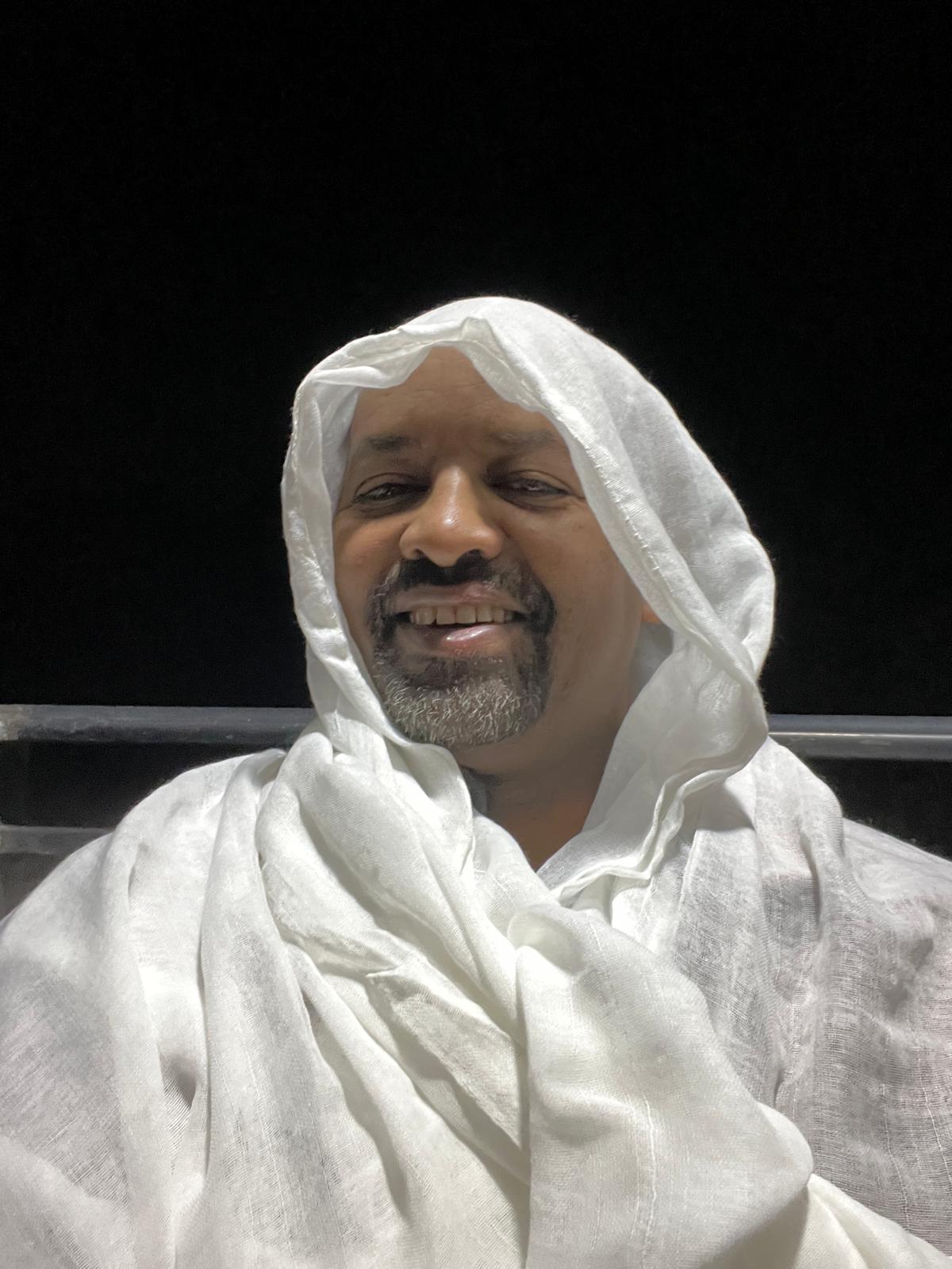
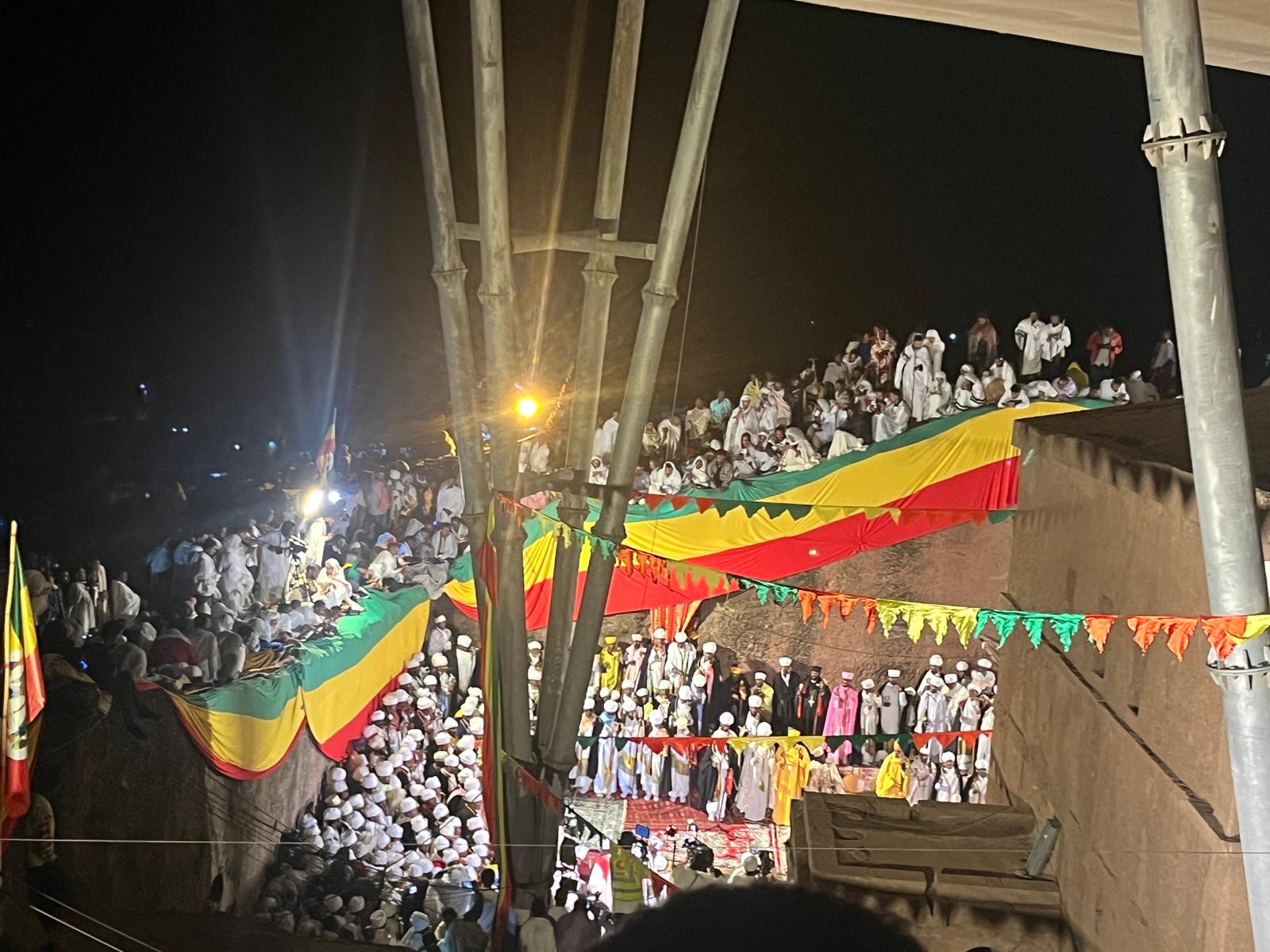

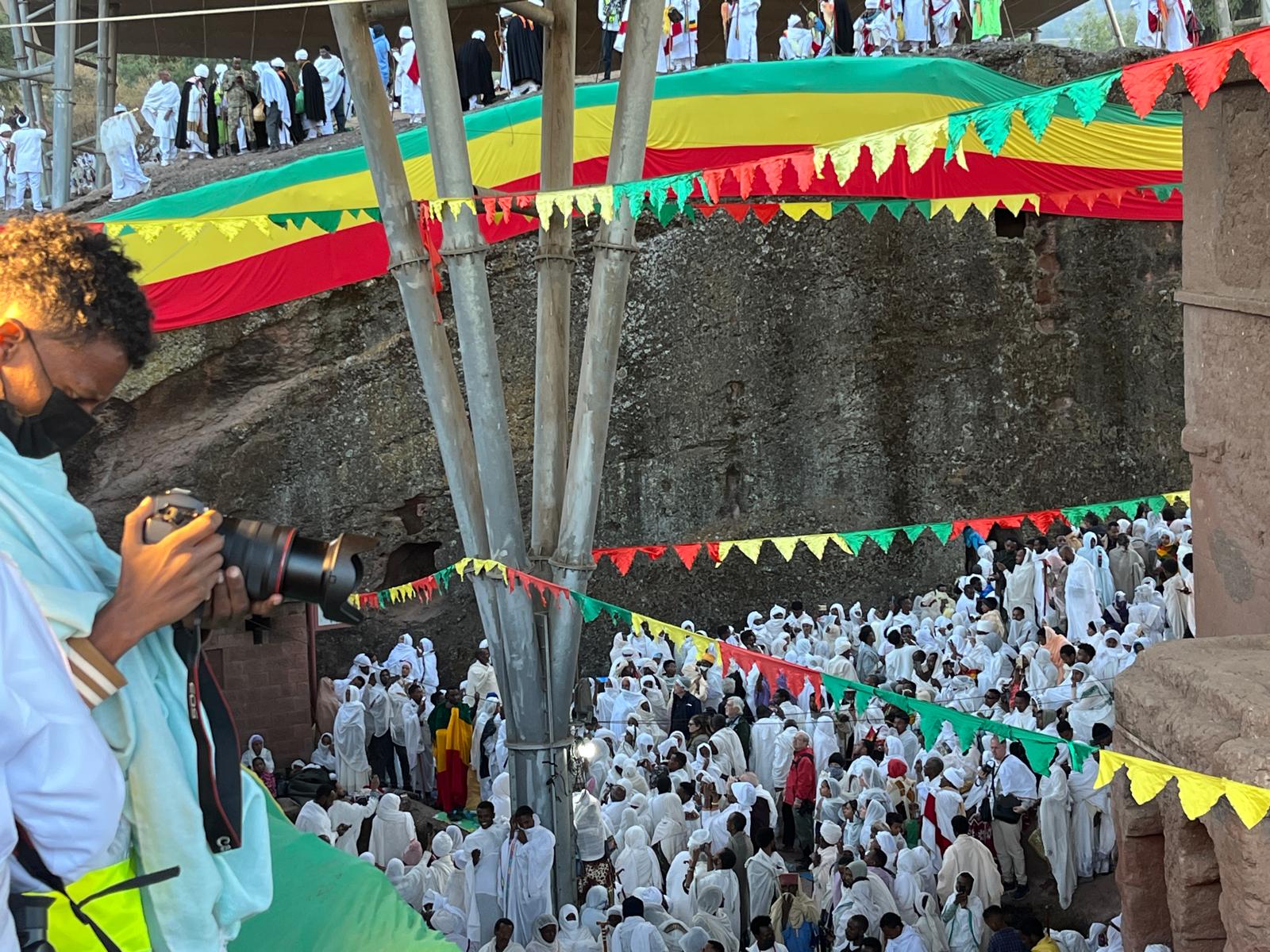
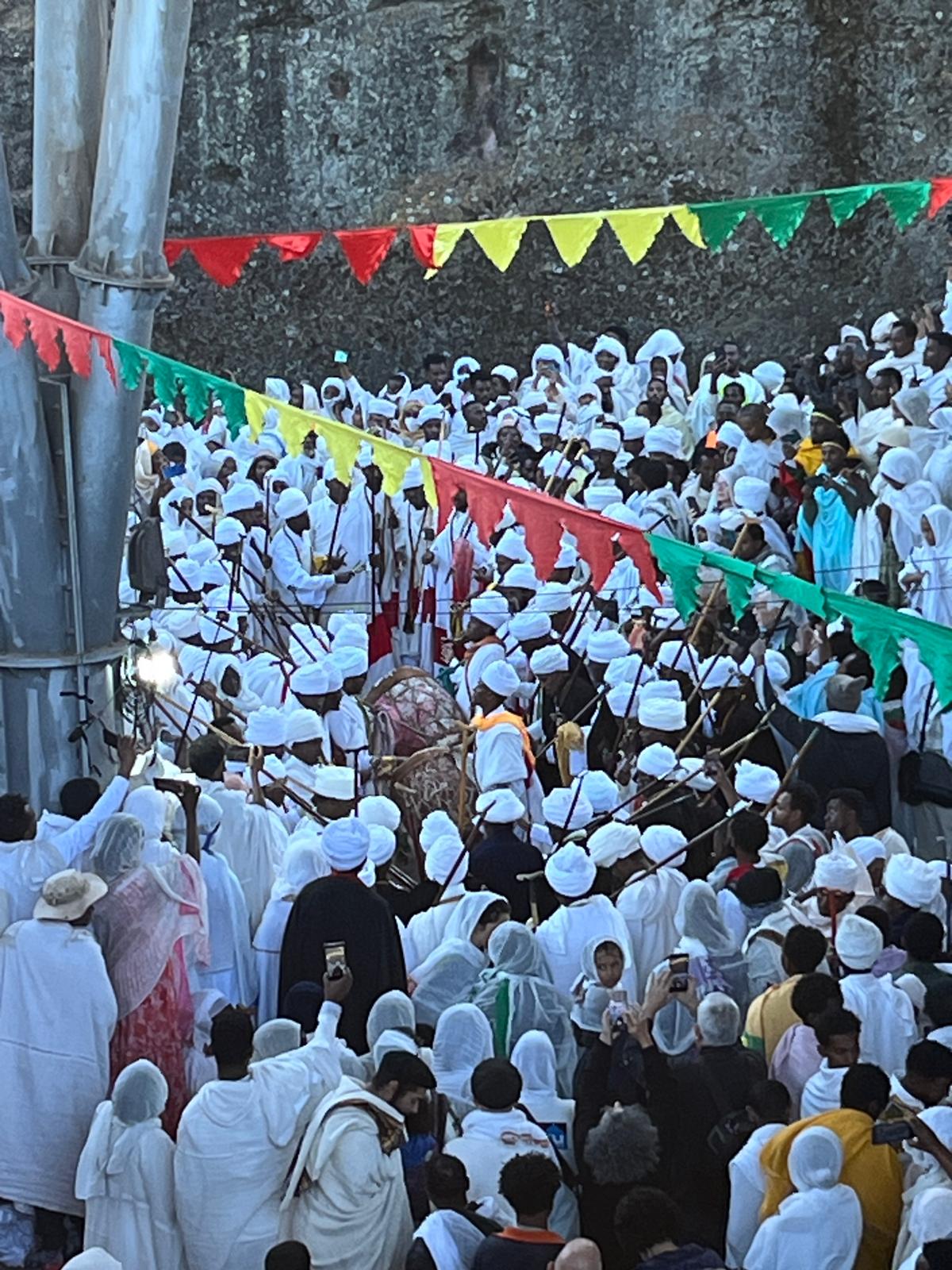


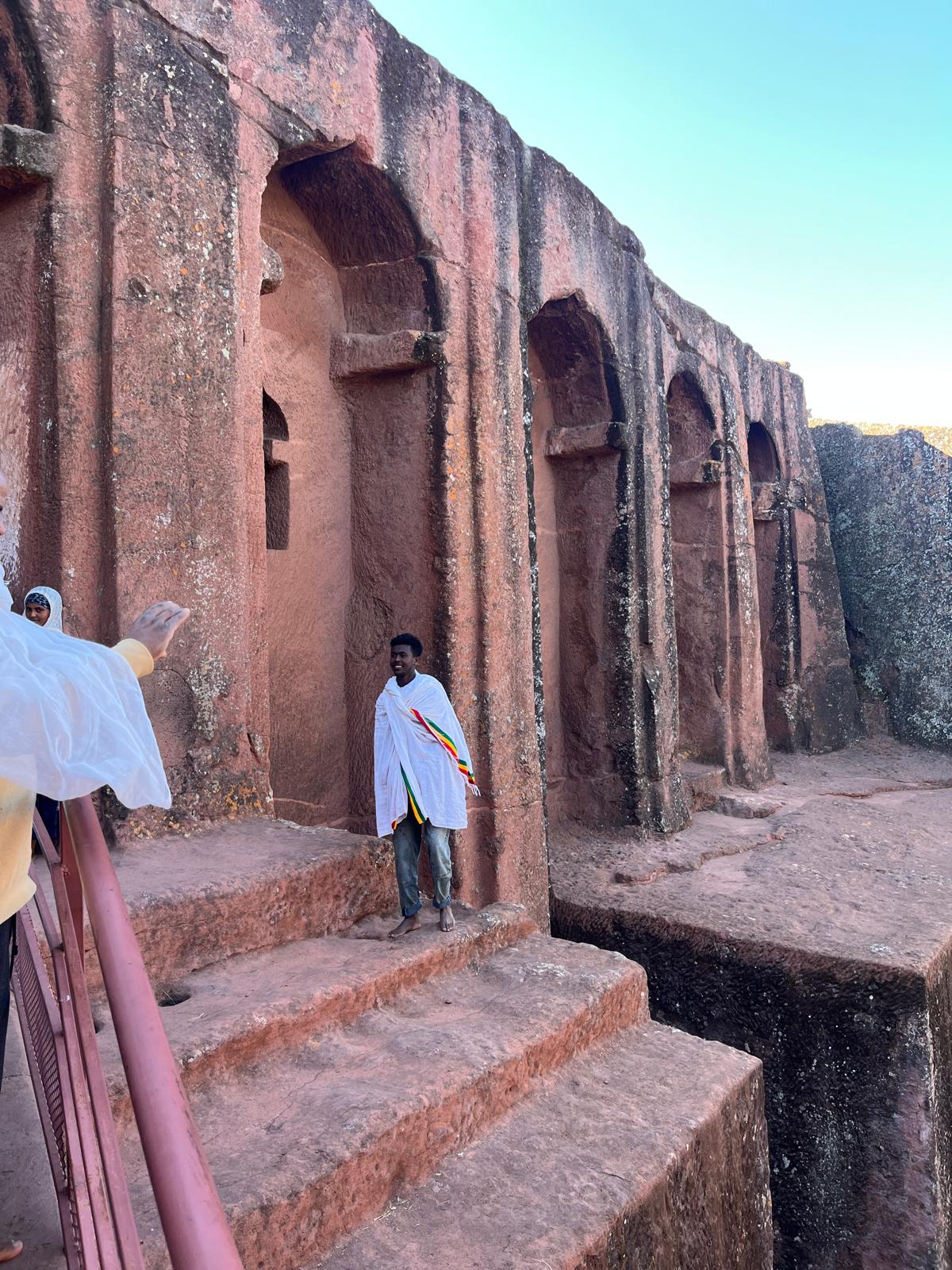
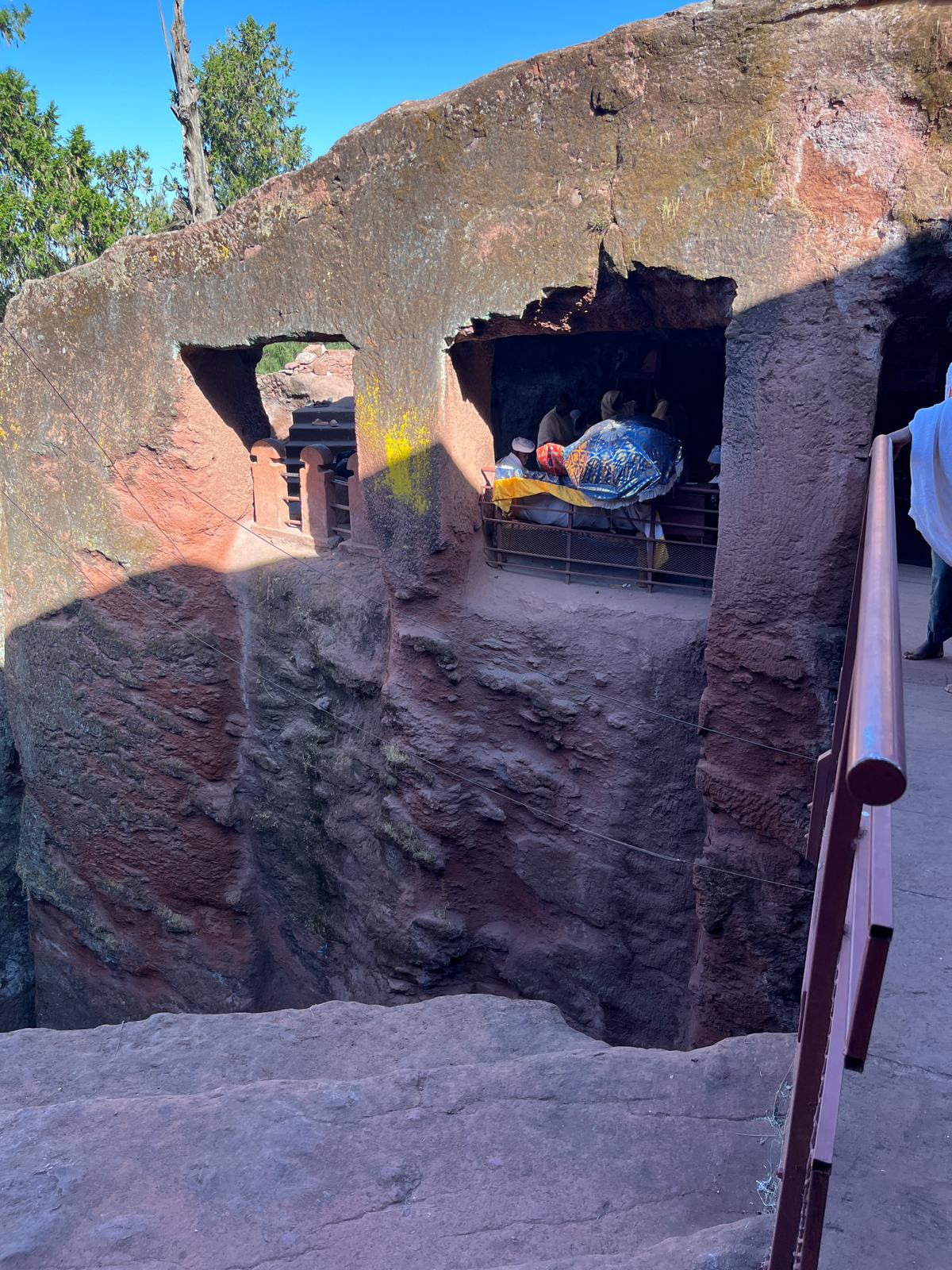

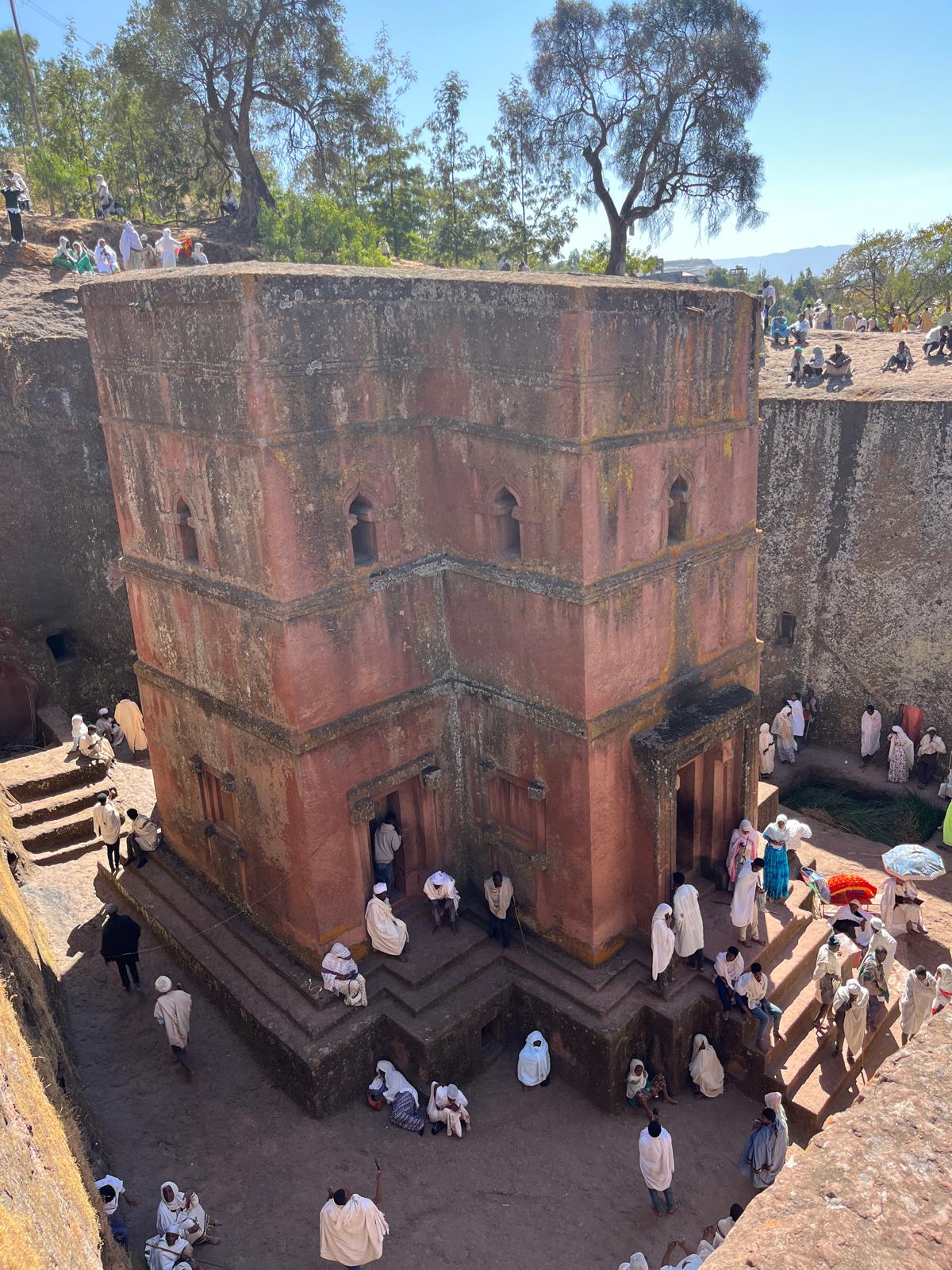
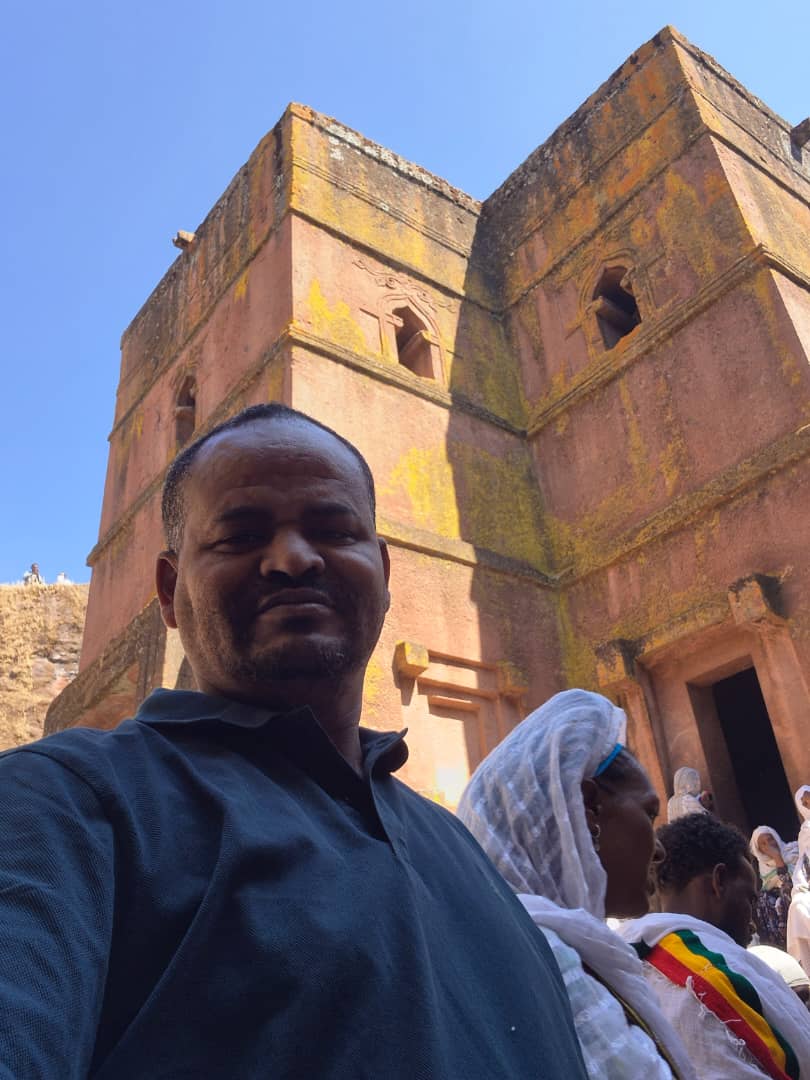
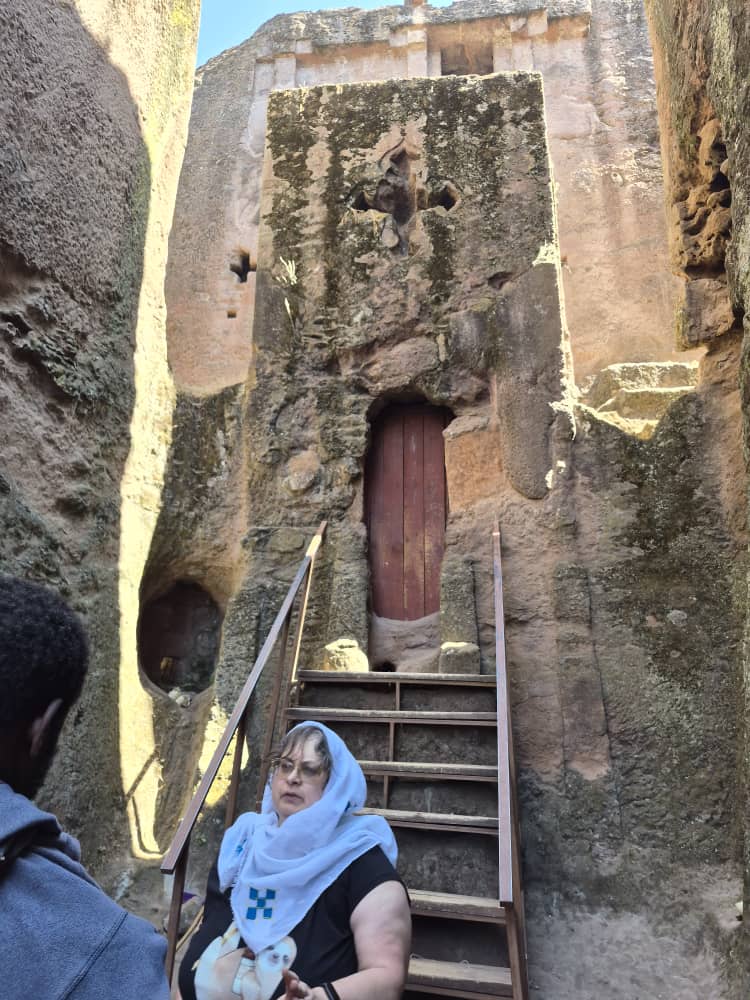
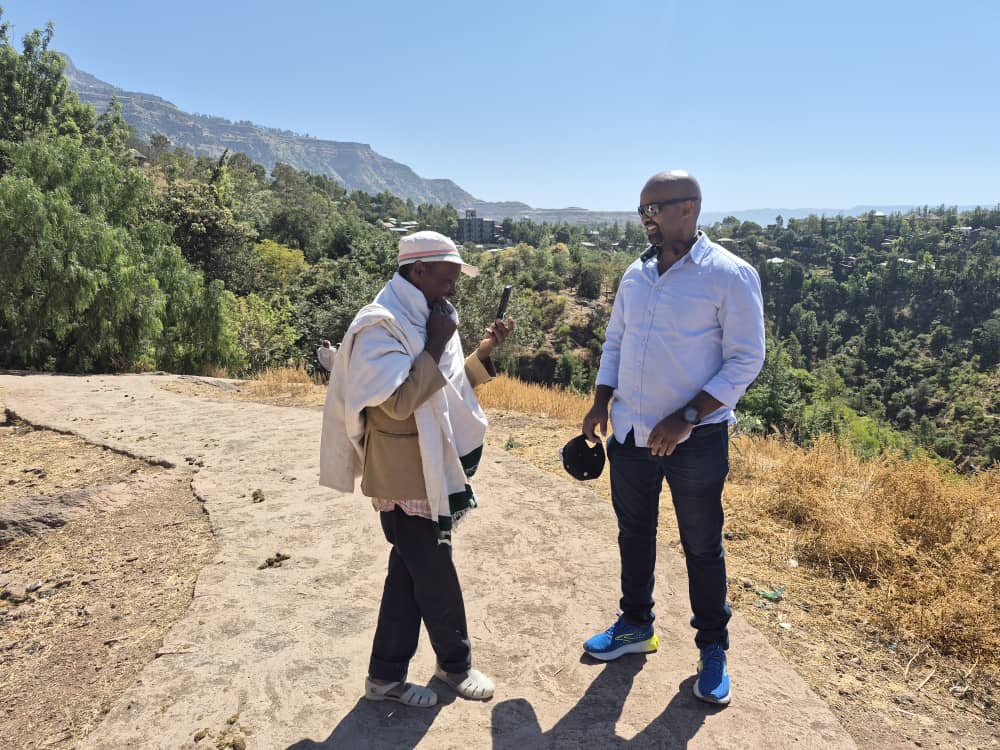
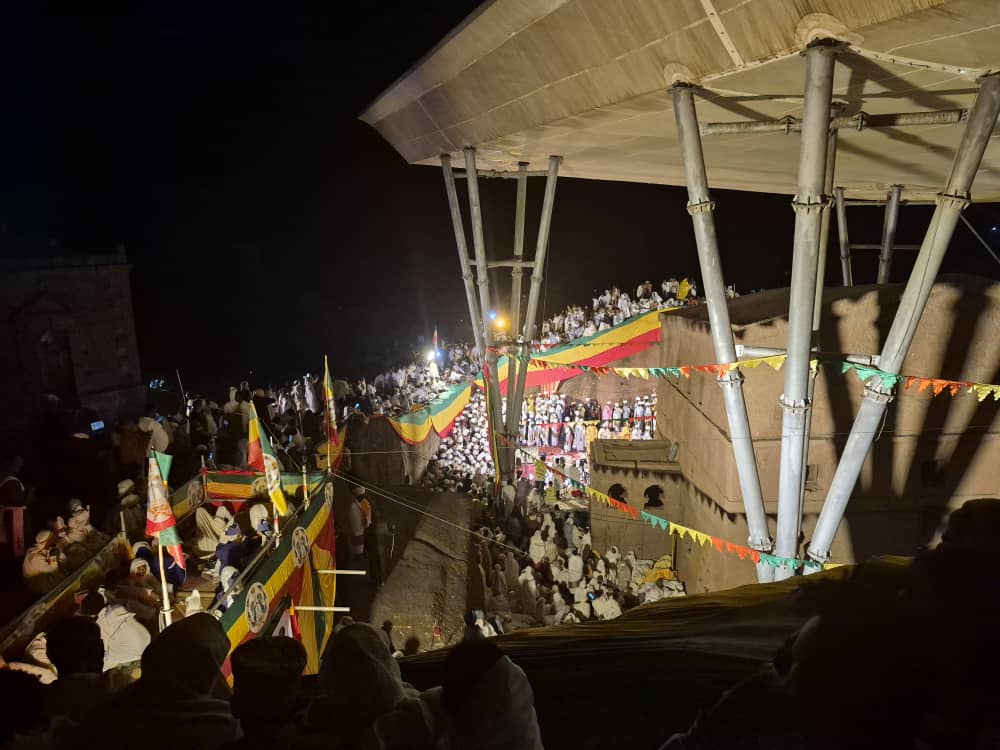
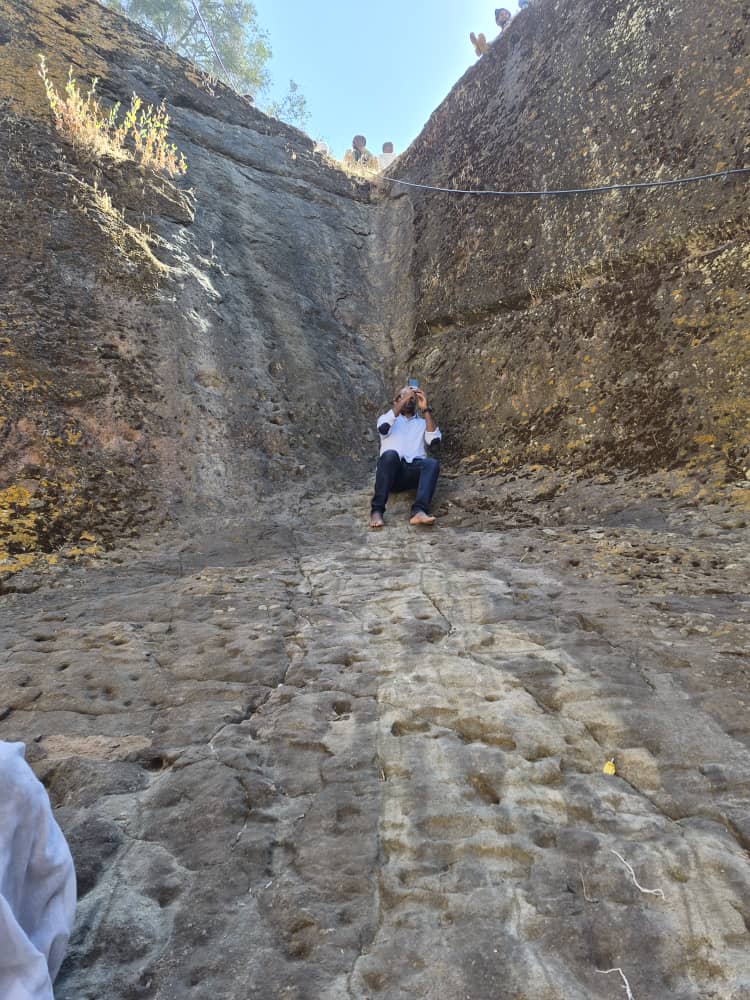


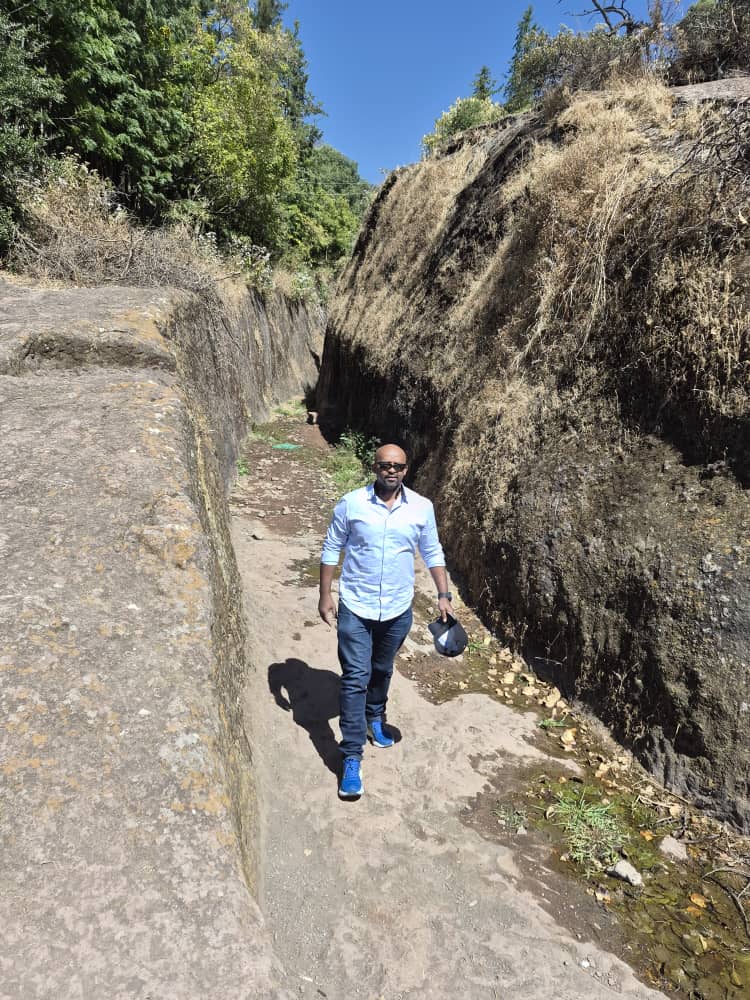
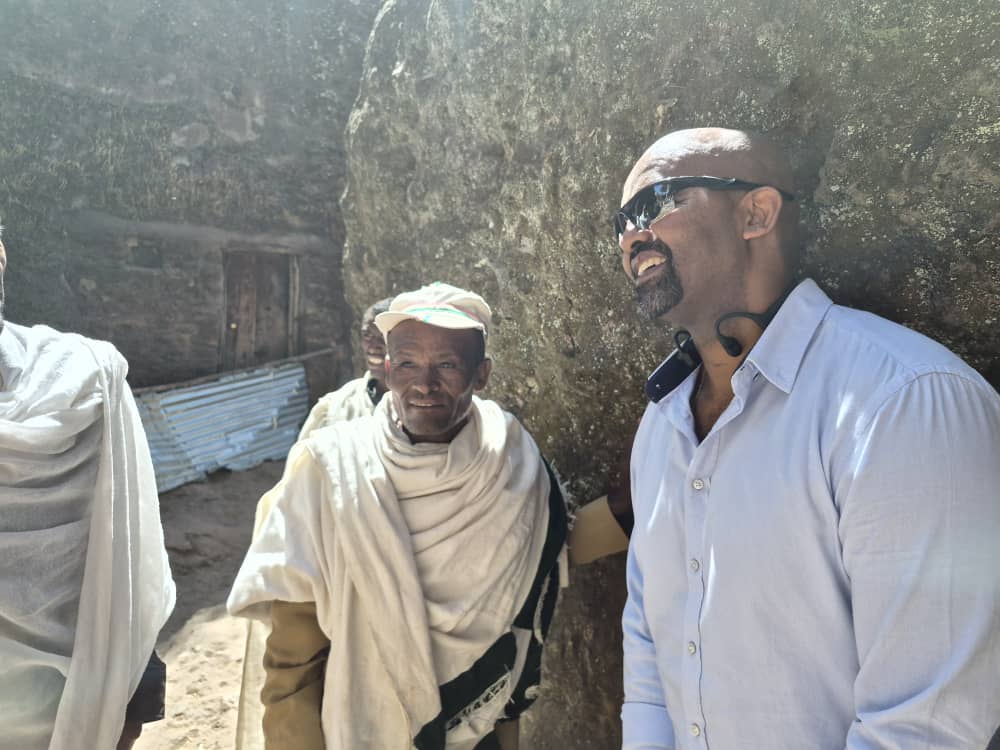

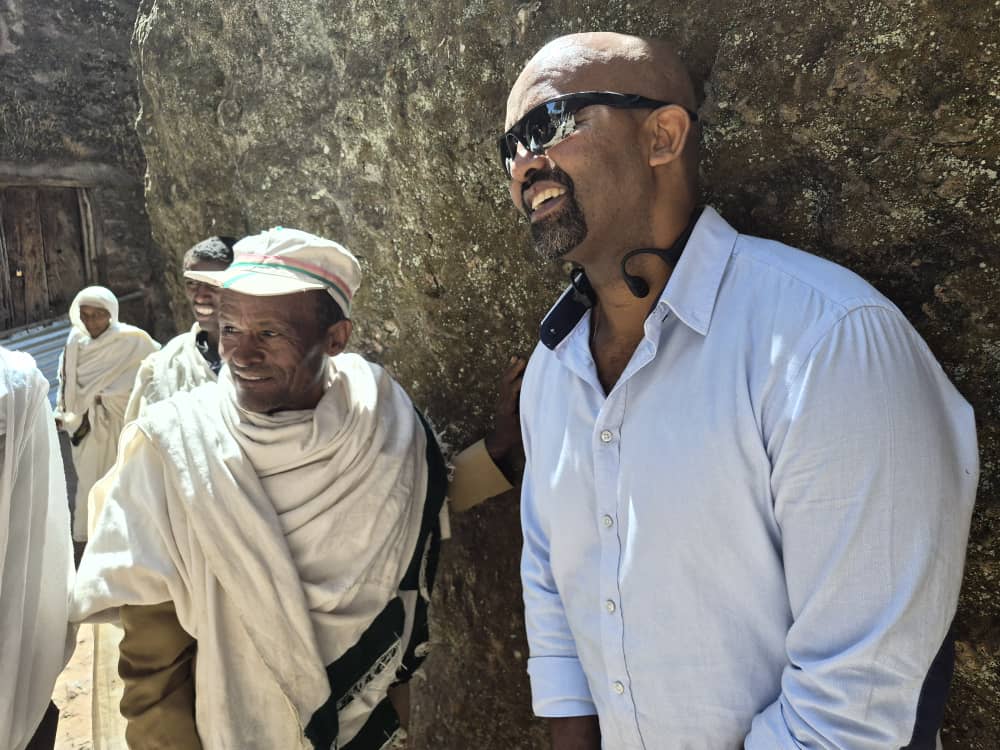
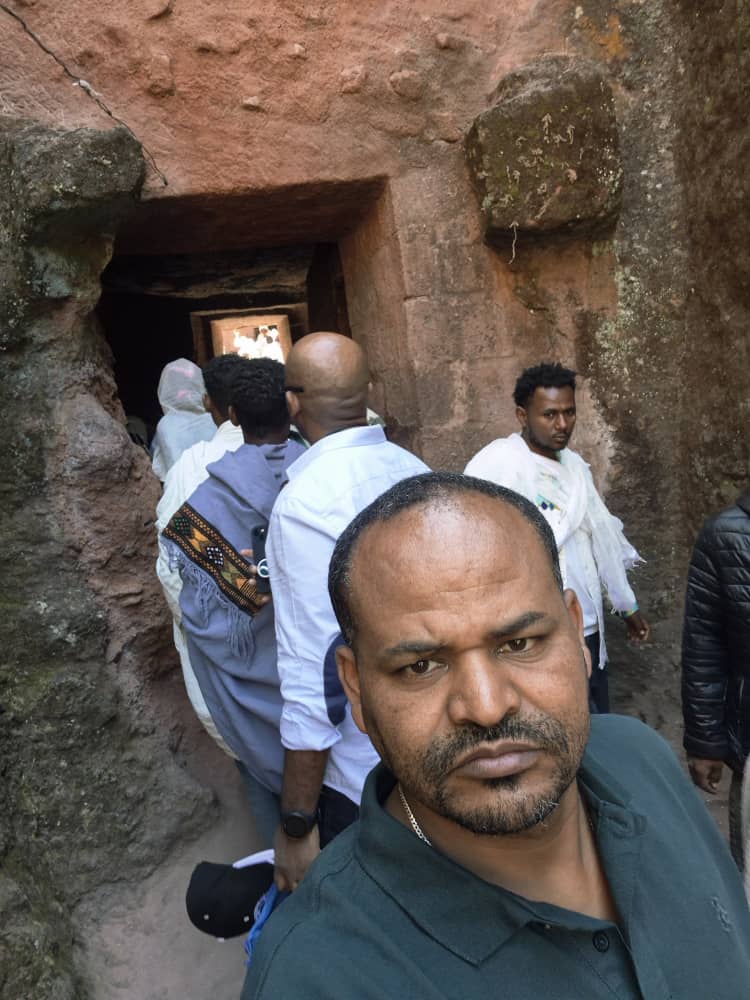
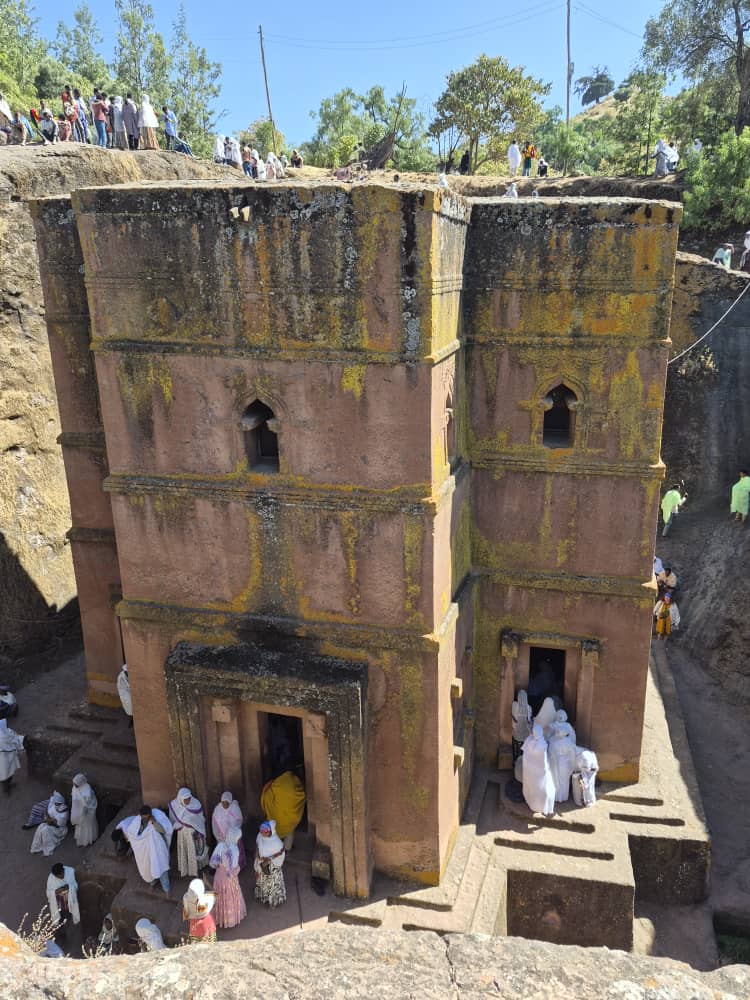
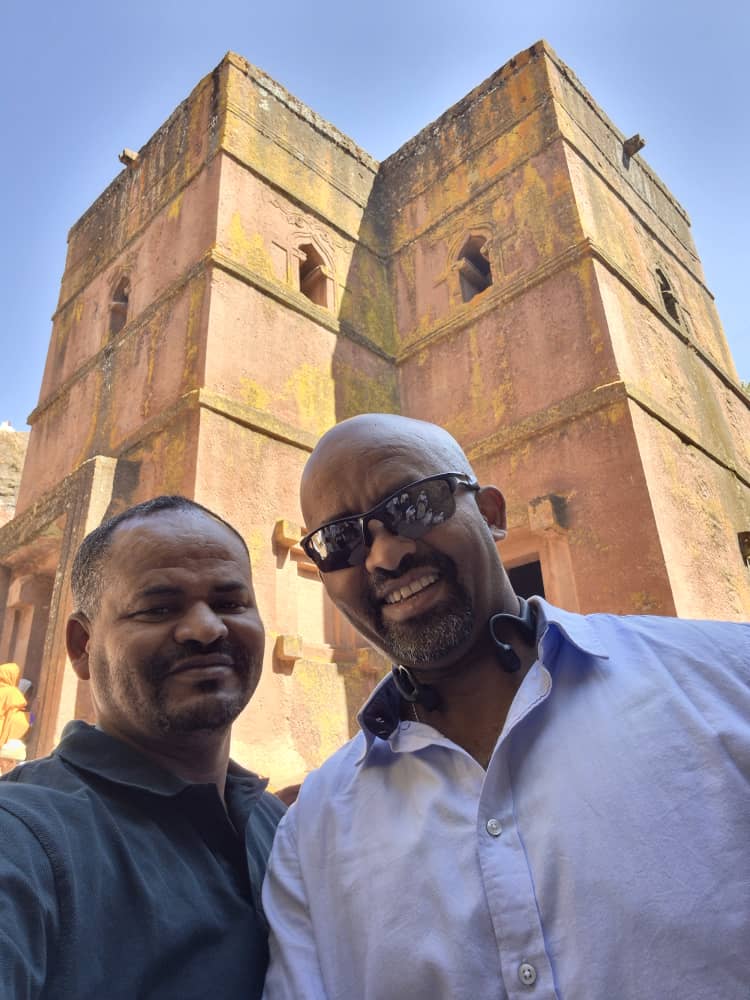
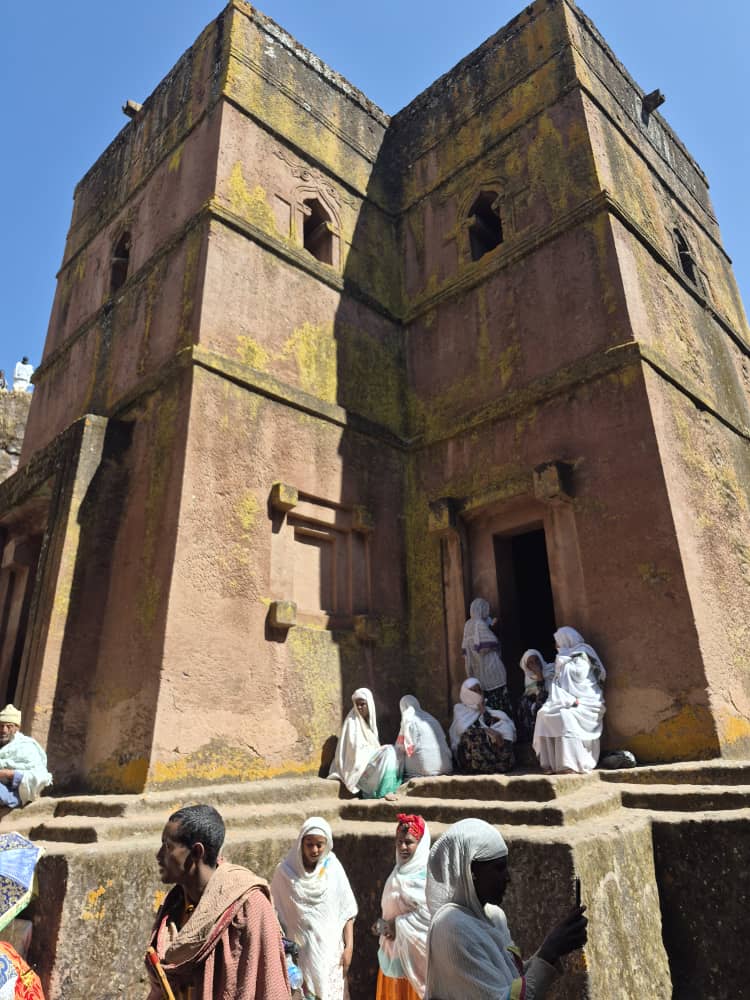


Since my trip coincided with the celebration of Ethiopian Christmas, I was able to visit only a few churches, including Bete Giyorgis (St. George’s), Bete Medhane Alem (House of the Saviour of the World), and Bete Mariam (House of Mary), Bete Golgotha Mikael; and Bete Gabriel Raphael (House of Gabriel and Raphael). Each of them revealed astonishing craftsmanship and spiritual meaning that left me in awe.
One unforgettable experience was the cave passage to Bete Gabriel Raphael. Walking through the dark tunnel, guided only by touch along the walls and ceiling, required immense trust and courage. It symbolized how faith, hope, and resilience are essential in life. Walking step by step in darkness while repeatedly praying, “Oh God, have mercy on us,” was a powerful spiritual journey. When I finally saw light breaking through at the exit, it brought an overwhelming sense of relief, blessing, and spiritual fulfillment. The warmth of the sunshine at the tunnel’s end touched my heart and soul, making me feel deeply connected to God.
I had dreamed of visiting Lalibela for a long time. Experiencing it in person confirmed everything I had previously heard and seen in videos. Witnessing these magnificent masterpieces firsthand showed me what humankind is truly capable of achieving with faith and devotion. Most importantly, this trip connected me to my roots, as my mother was born near Lalibela. I had the opportunity to meet my elder brother Abebe and other family members, making the journey even more meaningful.
I traveled with my younger brother Yidnekachew, and it was an unforgettable experience that we will both cherish forever.
Lalibela is a place where one can truly witness how Ethiopians, with the help of God, were able to create something unbelievably magnificent and timeless.
January 8, 2026 — In memory of Lalibela
 Tewodros Guday